
Django is one of the oldest Python web frameworks still in wide use, and it still runs serious traffic. Meta wrote in 2023 that it uses Python (Django) for the frontend server within Instagram. In the Stack Overflow 2025 survey, 12.6% of respondents said they use it. That's a big pool, which sounds like good news for hiring. It mostly means you'll read a lot of resumes that say "Python, Django" and learn very little from them. The work is telling apart the people who built a tutorial blog from the people who kept a Django monolith fast and upgradeable for years.
Key Takeaways
- Most Django work at startups is extending and maintaining an existing app, so hire for reading and upgrading code, not greenfield speed.
- The ORM is where Django apps get slow. Screen hard for query awareness: N+1 problems, select_related, indexes.
- Ask about version upgrades. Someone who has moved a real app across major versions has seen the whole framework.
- A general Python developer can learn Django, but for a codebase you depend on, hire someone who already knows its conventions.
Django Developer vs Python Developer
This guide is narrower than our senior Python developer guide. A Python developer might spend their days on data pipelines, scripts, or ML. A Django developer builds and runs web applications with a specific, opinionated framework: models and migrations, the ORM, views and templates or Django REST Framework, the admin, auth, background jobs with Celery or similar, and deploys.
That opinionated structure is Django's strength. A new engineer who knows it can open an unfamiliar Django codebase and find their way around in a day, because everything lives where the conventions say it should. It's also why a strong Python engineer without Django experience can be slower than you expect for the first month.
If you're still choosing a backend, Django vs Rails vs Node compares the options. This post assumes you've chosen Django, or inherited it.
What to Screen For
| Area | Mid-level | Senior |
|---|---|---|
| ORM | Writes correct queries | Spots N+1 problems in review, reads query plans, knows when to drop to raw SQL |
| Migrations | Creates and runs them | Plans zero-downtime migrations on big tables, handles data migrations safely |
| Upgrades | Has worked on one Django version | Has led an upgrade across major versions and dealt with deprecated APIs |
| APIs | Builds DRF endpoints | Designs pagination, permissions, and versioning that hold up |
| Admin | Uses it | Knows when the admin is enough and when it's become a liability |
| Async and jobs | Has used Celery | Knows what belongs in a request and what belongs in a queue |
Upgrades deserve extra attention. Django's current long-term support release is 5.2, and the latest release is 6.1. Plenty of startups run an app that's two or three versions behind with a dependency list nobody wants to touch. A senior Django developer has done that upgrade before and can tell you what broke.
A Practical Exercise
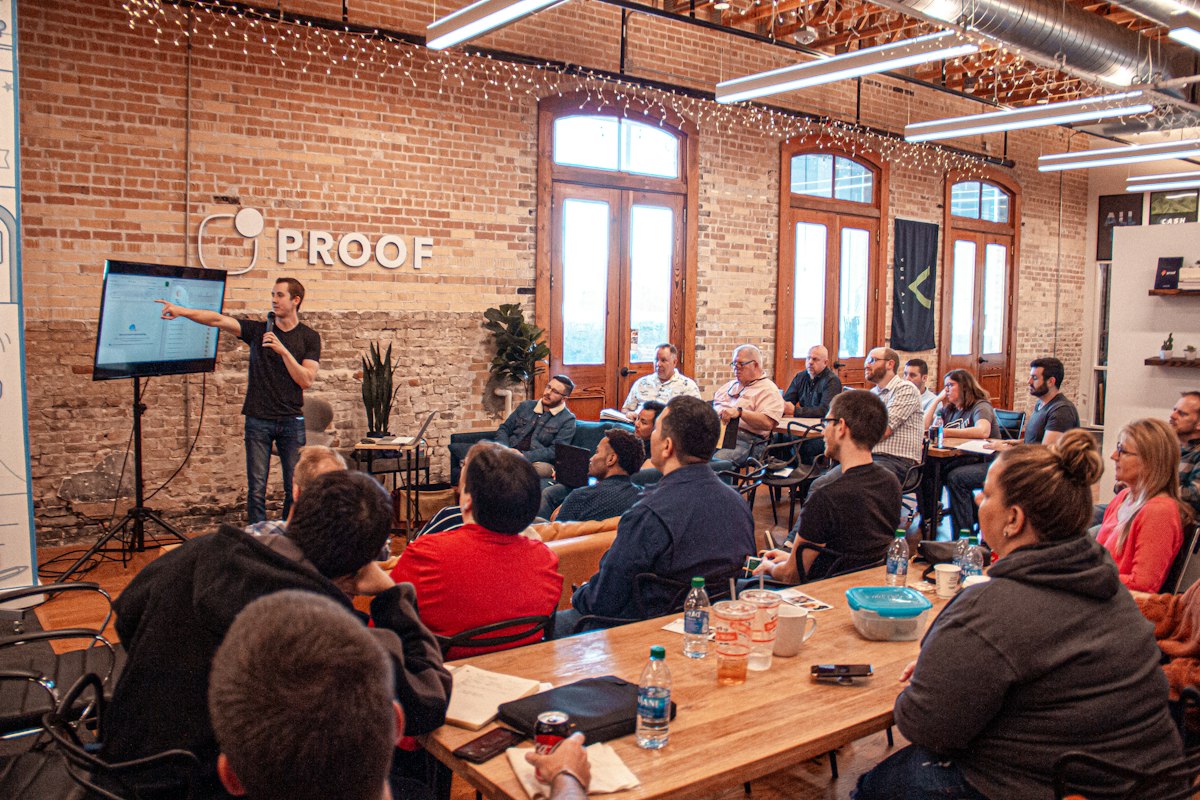
Give candidates a small Django project that already exists, rather than asking them to start one. Include a list view that makes one query per row, a model without an index on a field the view filters by, and a missing permission check on an API endpoint. Ask them to find and fix what they can in two hours, then walk you through it.
This tests what the job actually is. You'll see whether they reach for the Django Debug Toolbar or query logging, whether they notice the security gap, and whether their fixes are small and reviewable. In the conversation afterwards, ask:
- How would you add a non-nullable column to a table with 50 million rows without downtime?
- When would you stop using the admin for an internal tool?
- What would you check first before upgrading this app to the next major version?
Red Flags
Watch for candidates who can't explain what query the ORM generates for code they just wrote. Be wary of anyone who wants to replace Django with something newer in the first interview, and of people who put business logic in templates or signals because it was convenient. None of these disqualify a mid-level engineer. All of them are a problem in the person who'll own your backend. How to spot a fake senior developer covers more general tells.
A Concrete Version
A B2B SaaS startup with 9 engineers runs a Django 4.1 monolith. Page loads on their main customer dashboard have crept from under a second to four seconds, and the one backend engineer who knew the code left last quarter.
They hire a senior Django developer through staff augmentation. In week one she turns on query logging and finds the dashboard runs about 300 queries per load. Adding select_related and prefetch_related to three querysets and two missing indexes brings it back to around 20 queries and under a second. In month two she plans the upgrade to 5.2 LTS: pin and update dependencies, clear deprecation warnings one app at a time, run the test suite on both versions in CI. The upgrade ships in five weeks without an outage.
None of that required a rewrite. It required someone who'd done it before.
The Honest Counterpoint
Sometimes the right hire is a general Python engineer, not a Django specialist. If your Django app is small and stable and most of your roadmap is data work, integrations, or ML, a broader Python engineer who can hold the Django part steady may give you more. And if you're building a new API-only service with no templates and no admin, look at FastAPI developers too.
There's also a limit to how far one senior person can carry a neglected codebase. If the tests are thin and the app has drifted three major versions behind, the upgrade is its own project with its own budget.
Frequently Asked Questions
Should a Django developer also know frontend?
Depends on your app. Many Django teams render server-side templates, sometimes with HTMX. Others serve a React front end over Django REST Framework. Hire for the setup you actually have.
How long does a senior Django developer take to get productive?
In a conventional codebase, they can ship small fixes in the first week. Real ownership of the architecture takes one to two months.
Is Django still a good choice for a new startup?
For a data-heavy web app with an internal admin and a small team, it's still one of the fastest ways to ship. The large hiring pool helps too.
The Bottom Line
Screen Django developers for ORM awareness, migration safety, and upgrade experience, and test them on an existing codebase. Ruzora sends a vetted shortlist of senior Python and Django engineers within 72 hours. Hire Django developers in LATAM, or read how to onboard a developer fast before day one.
Roberto Espinoza is CEO of Ruzora, which helps US startups hire pre-vetted senior LATAM engineers, with a vetted shortlist in 72 hours. See available engineers.