On-call is where good engineers quietly burn out. It's rarely the incidents. It's the constant low-grade dread of the pager, the 3am false alarms, and a rotation stretched too thin. All three are structural problems, which is the good news: structural problems have structural fixes.
Key Takeaways
- Developer burnout is already the norm; a Haystack study found 83% experience it (Haystack).
- Catchpoint's SRE research found enterprises generate 2,000+ alerts a week with only ~3% genuinely actionable, at false-positive rates of 60–80% (Catchpoint).
- Nearly 70% of SREs say on-call stress has hurt burnout and attrition on their teams (Catchpoint).
- The fixes are structural: cut the noise, and widen the rotation with enough senior engineers.
Why On-Call Burns People Out
Burnout is already baseline in engineering. Haystack found 83% of developers experience it, and on-call pours fuel on that fire. The damage isn't mainly the real incidents. It's the interruption and the anxiety of carrying the pager, nights and weekends included, when most of what it fires on is noise.
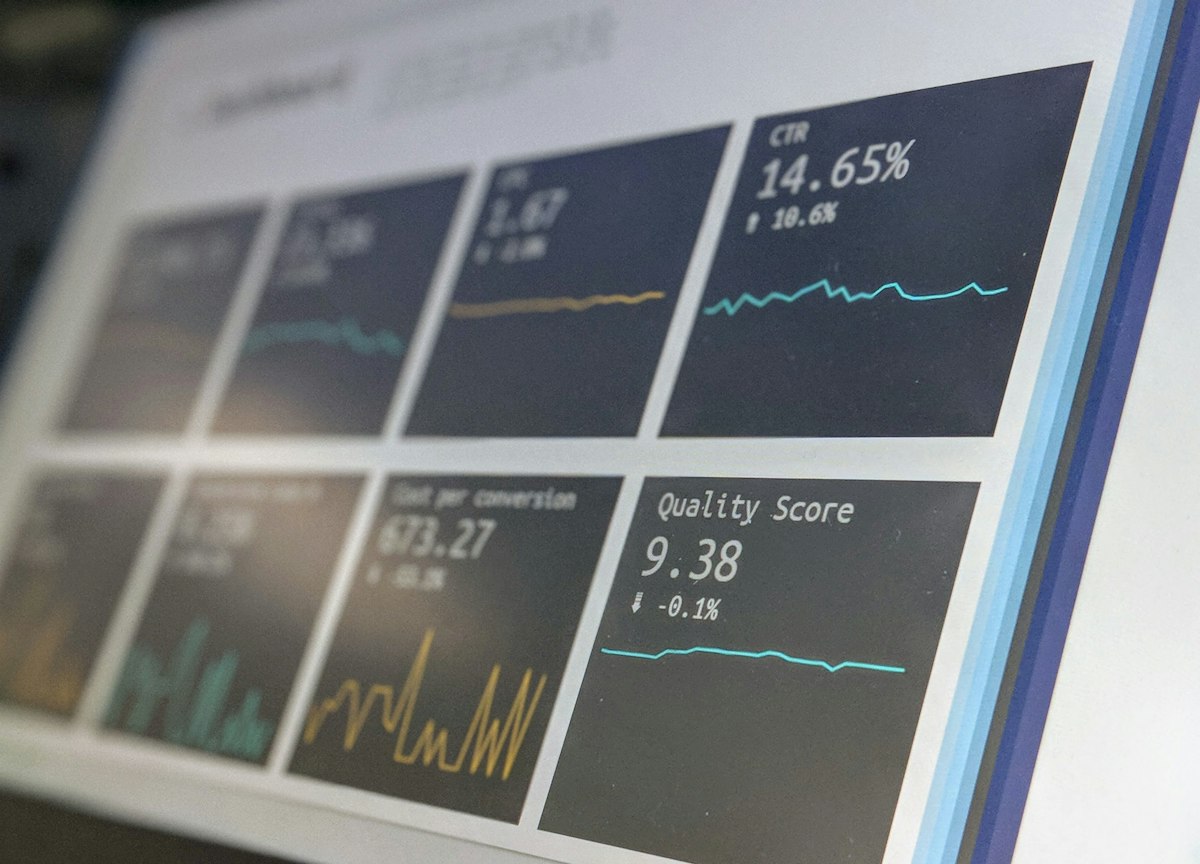
The noise part is measurable, and it's worse than most leaders assume. Catchpoint's SRE research found a typical enterprise generates over 2,000 alerts a week, with only about 3% genuinely warranting attention, and false-positive rates running 60 to 80% (Catchpoint). The result is predictable: nearly 70% of SREs say on-call stress has directly hurt burnout and attrition. UptimeLabs frames the root cause the same way, as a design problem, too much noise landing on too few people.
Fix One: Cut the Noise
A rotation drowning in low-value alerts trains people to ignore the pager (dangerous) and exhausts them (worse). If 97% of your alerts don't need a human, they shouldn't be waking one. The work is unglamorous: tune thresholds, delete alerts nobody acts on, and route only what genuinely needs a person. Every false alarm you kill is a night someone actually sleeps.
| On-call pain | Structural fix |
|---|---|
| 2,000+ alerts/week, ~3% actionable | Tune and delete low-value alerts |
| 60–80% false positives | Fix thresholds; page only on real signal |
| Thin rotation | Add senior engineers to spread the load |
| Post-incident stress | Blameless reviews + real recovery time |
Fix Two: Spread the Load
A rotation of three exhausted people is a burnout machine. Widening it, so on-call comes around less often and nobody carries it constantly, is often the single biggest relief. That's a staffing question. More qualified hands on the rotation means each person is on it less, which is a direct use of adding senior capacity. Nearshore senior engineers who share your timezone are especially useful here: they can cover more of the waking-hours rotation, which shrinks the overnight load that does the most damage.
A Concrete Version
Picture a three-person rotation, each on-call one week in three. Alerts come in at ~2,000 a week; 97% are noise, but you can't know which 3% matter without looking, so every ping is a small tax on attention and sleep. By month two, one engineer is interviewing elsewhere, and now it's a two-person rotation, which is even worse, and the death spiral is on. Add two senior engineers and fix the alerting, and the same load becomes a five-person rotation firing on real signal. Same system, completely different human experience.
The Honest Counterpoint
On-call isn't pure cost, and the answer isn't to make engineers immune to their own systems. Carrying the pager for code you wrote is one of the strongest feedback loops in engineering: it makes people build more reliable systems, because they're the ones who get woken up. The goal isn't to eliminate on-call. It's to make it humane, so the signal is real and the load is shared, instead of a slow attrition engine pointed at your best people.
Frequently Asked Questions
Why is on-call so bad for burnout?
It's the constant interruption and pager anxiety, especially overnight, on top of already-high baseline burnout. Catchpoint found only about 3% of alerts are genuinely actionable, so most of the stress comes from noise, not real incidents.
What's the fastest way to reduce on-call burnout?
Cut alert noise. With false-positive rates of 60–80%, routing only pages that need a human and deleting the rest is the highest-impact fix. If an alert resolves itself, it shouldn't wake anyone.
Does adding people to the rotation help?
Yes, a lot. A wider rotation means on-call comes around less often. Nearly 70% of SREs link on-call stress to attrition, so spreading the load protects retention too.
The Bottom Line
On-call burnout is a design problem, not an inevitability. Cut the alert noise so the pager means something, and widen the rotation with enough senior engineers that no one carries it constantly. Catchpoint's numbers show how much noise there is to cut, and both fixes are within reach.
Roberto Espinoza is CEO of Ruzora, which helps US startups hire pre-vetted senior LATAM engineers, with a vetted shortlist in 72 hours. See available engineers.