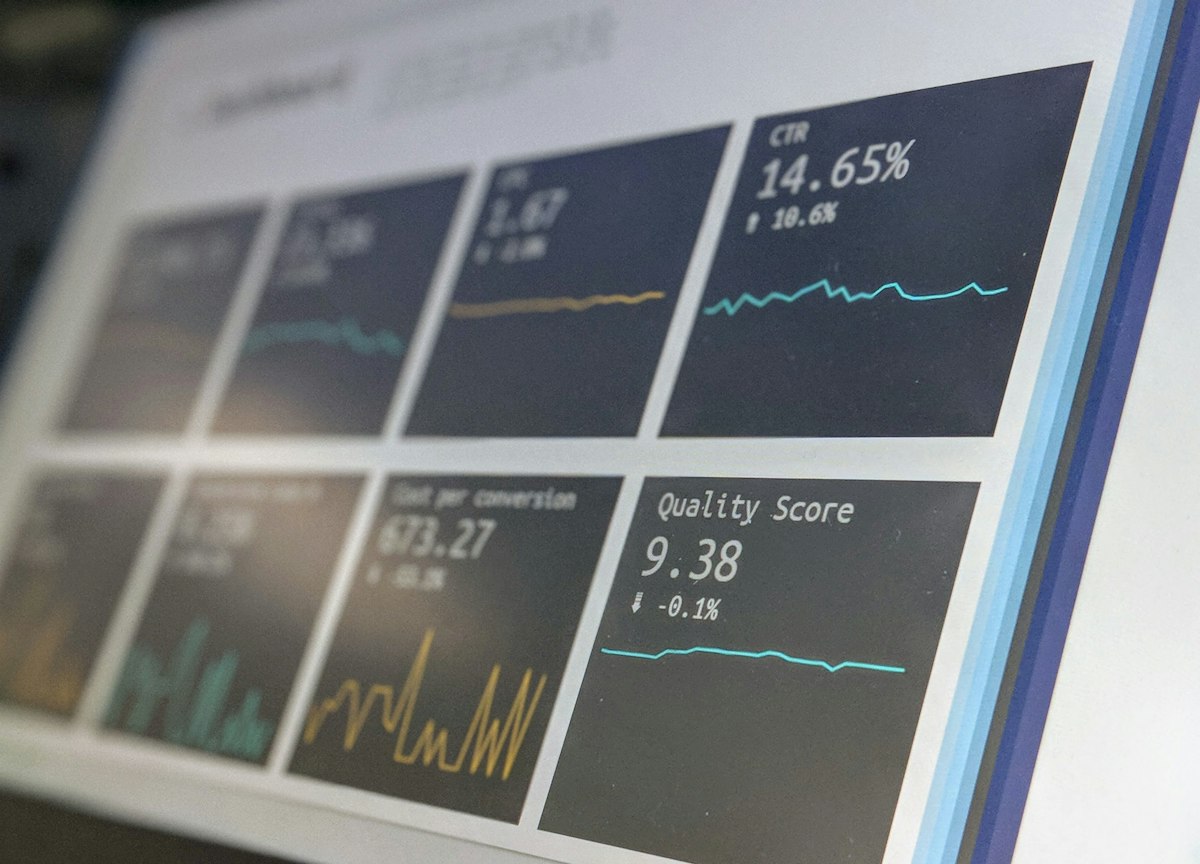
When a system breaks, one thing separates the teams that fix it in minutes from the teams that flail for hours: whether they can see what their system is actually doing. That visibility has a name, observability, and it rests on three kinds of data. Without them, every incident is debugging in the dark.
Key Takeaways
- Observability rests on three pillars: logs, metrics, and traces (the three pillars).
- Metrics alert you to a problem, traces show its path, logs give the context to fix it (three pillars).
- Without observability, incidents become slow guessing games, which drives up recovery time.
- You genuinely cannot fix what you cannot see.
The Three Pillars
Observability is the ability to understand what's happening inside a system from the data it emits, without having to add new code to investigate (the three pillars of observability). It rests on three complementary kinds of telemetry. Metrics are numbers over time, request rate, error rate, latency, CPU. They're how you notice a problem, usually via an alert when something crosses a threshold. Traces follow a single request as it flows through your system, service to service. They show you where the problem is, which hop is slow or failing. Logs are the detailed, timestamped records of what happened. They give you the context to understand why.
Together they answer the three questions every incident poses: is something wrong, where is it, and why? Metrics raise the alarm, traces localize it, logs explain it (how the pillars work together).
| Pillar | Answers | Example |
|---|---|---|
| Metrics | Is something wrong? | Error rate just spiked |
| Traces | Where is it? | The payment service hop is timing out |
| Logs | Why? | "connection pool exhausted" at 14:02 |
Why "You Can't Fix What You Can't See" Is Literal
Without observability, an incident is a guessing game. The site is slow, and you have no idea which service, which query, which dependency is the cause, so you start restarting things and hoping. That's how a five-minute fix becomes a three-hour outage. With observability, the same incident is a lookup: metrics show the error spike, a trace points at the failing service, and the logs name the exact cause. The difference between those two experiences is entirely whether the team invested in seeing inside its systems before they broke.
A Concrete Version
Two teams hit the same bug: checkout starts failing intermittently under load. Team A has no real observability, so they spend hours reproducing it, adding print statements, redeploying, and guessing, while customers can't buy. Team B looks at their dashboards: a metric shows checkout error rate spiking at high traffic, a trace shows the failures all pass through one database call, and the logs show connection-pool exhaustion. Team B has the root cause in ten minutes because they could see it. Same bug, wildly different night, decided by observability.
The Honest Counterpoint
Observability has real costs, and more of it isn't automatically better. Storing and processing logs, metrics, and traces at scale gets expensive fast, and a firehose of unstructured logs or thousands of noisy metrics can bury the signal as surely as having none, the same alert-fatigue problem in another form. Good observability is about the right signals rather than the most data: instrument what matters, structure your logs so they're searchable, and prune what nobody uses. The goal is answers, not a data lake nobody can query.
What This Means for Teams
Observability is foundational infrastructure that separates teams who recover fast from teams who flail, and it's tightly linked to MTTR and incident recovery and the reliability discipline behind error budgets. Setting it up well, the right instrumentation, structured logs, useful dashboards, is exactly the kind of foundational work experienced engineers do early, before the outage that proves why it mattered. See available engineers.
Frequently Asked Questions
What is observability?
The ability to understand what's happening inside a system from the data it emits, without adding new code to investigate. It rests on three pillars: logs, metrics, and traces.
What are the three pillars of observability?
Metrics (numbers over time that alert you to problems), traces (the path of a single request through your system, showing where the problem is), and logs (detailed records that explain why).
Why does observability matter for incidents?
Without it, debugging is guesswork: you can't tell which service or query is failing, so incidents drag on. With it, metrics, traces, and logs turn an outage into a lookup, cutting recovery time dramatically.
Can you have too much observability?
Yes. Storing everything gets expensive, and a firehose of noisy logs and metrics buries the signal. Good observability instruments the right things and keeps logs structured and searchable, rather than collecting everything.
The Bottom Line
You cannot fix what you cannot see, and observability is how a team sees inside its own systems. Metrics raise the alarm, traces localize the problem, and logs explain it, turning incidents from hours of guessing into minutes of looking. Invest in the right signals before the outage, and recovery gets dramatically faster.
Roberto Espinoza is CEO of Ruzora, which helps US startups hire pre-vetted senior LATAM engineers, with a vetted shortlist in 72 hours. See available engineers.